
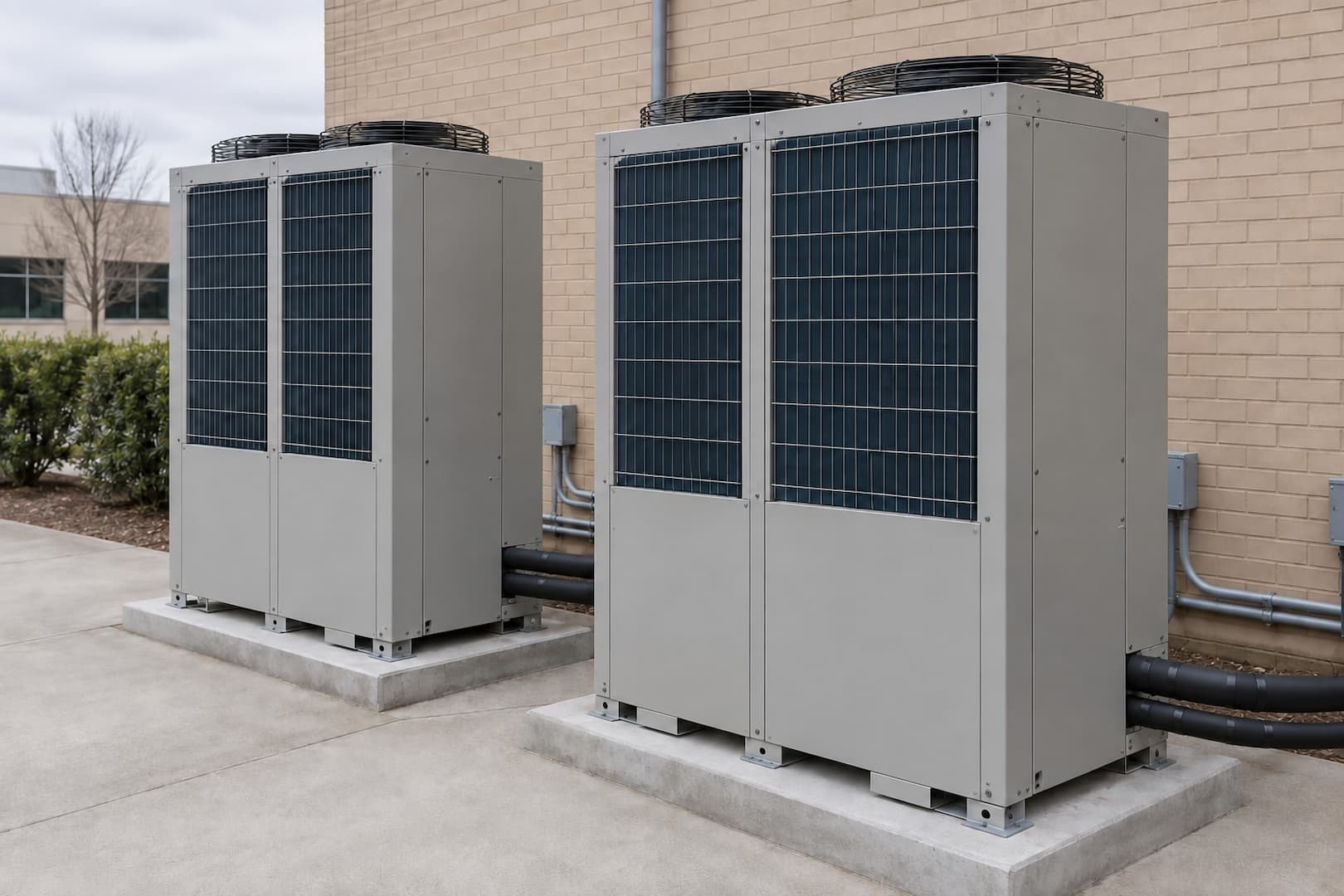
Closed commercial VRF outdoor units arranged with clear service access

COMMERCIAL HVAC · SPOKANE, WA

VRF service & maintenance in Spokane, WA

When one room is uncomfortable or several zones stop together, the pattern matters. MASTER Heating & Cooling provides VRF service and maintenance in Spokane and Spokane Valley, with diagnosis based on the equipment, controls and spaces involved.

START WITH WHAT CHANGED

Which rooms are affected, and when did the problem begin?

Start with the rooms affected and the time you first noticed the fault. An issue limited to one indoor unit calls for a different starting point from a fault affecting every zone connected to an outdoor unit. Tell us about recent work or a power interruption too.

What you are seeingWhat a service visit may need to review
One room does not reach its settingLocal controls, airflow, the indoor unit and the way that zone is configured.
Several zones stop togetherShared equipment, power, communications and system fault history.
A controller displays a codeThe exact code, manufacturer information and conditions when it appeared.
Water near a ceiling unitThe drain arrangement, condensate removal and the source of the moisture.
Heating or cooling will not start in one zoneThe system type, current operating mode and control priorities as well as equipment condition.

A code identifies a condition to investigate; it does not by itself establish which part needs replacing. Keep a photo of the display and tell us whether the fault is continuous or comes and goes.
VRF systems do not all handle heating and cooling the same way

Variable refrigerant flow systems connect multiple indoor units to outdoor equipment and adjust output to the demand across those zones. You may also see the name VRV on certain systems.

A heat-pump configuration generally serves its connected zones in heating or cooling mode. A suitable heat-recovery configuration can heat some zones while cooling others. That distinction matters when a tenant asks why one room cannot switch modes independently.

We review the equipment and controls actually installed in the building. A fault can travel through shared controls and connections. The room where it shows up may not be where it begins.

Have the manufacturer and model information ready when we discuss your system. We will confirm whether we can service your model and discuss equipment access before arranging an appointment.

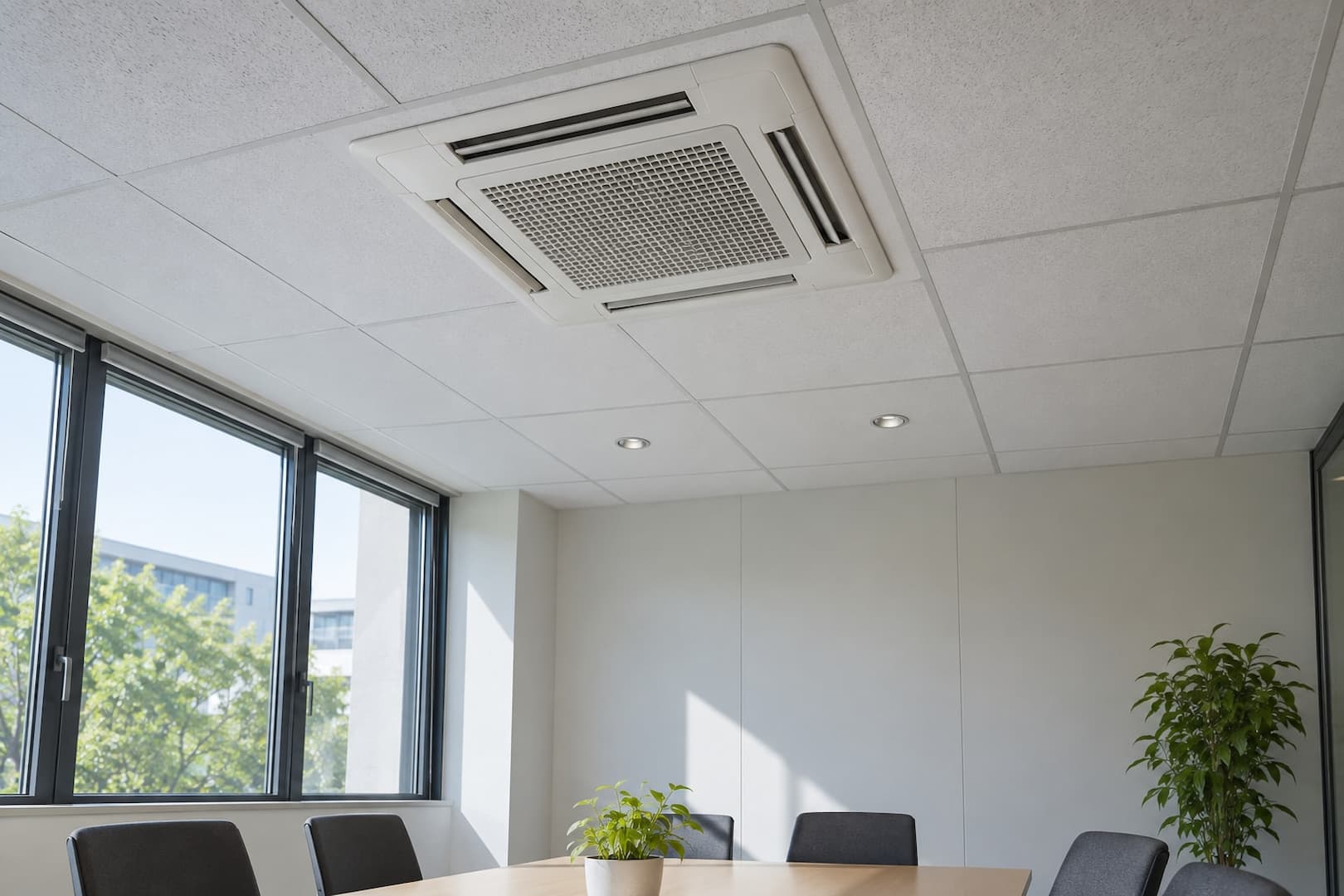
Ceiling cassette air-conditioning unit in a quiet commercial interior

SERVICE VISIT

Give the technician a view of the whole fault

Diagnosis may require access beyond the room with the complaint, including outdoor equipment and central controls. If ceiling panels or roof areas have restricted access, arrange the responsible building contact before the visit.

  1. Review the symptoms and history

    We discuss the affected spaces, when the problem occurs and any recent changes. Service records show what has already been checked.

  2. Check the relevant equipment and controls

    The checks follow the installed system and the fault. They may involve airflow and drainage, electrical condition, communications or refrigerant-system operation.

  3. Explain the findings and proposed work

    We explain what we found and the proposed next step. Parts availability, access and the need to interrupt occupied areas can affect the repair plan.

  4. Verify the affected operation

    After the agreed work, the system is checked under the conditions available at the visit. A fault that comes and goes may need more observation. We explain any checks still outstanding.

Call (509) 300-1111 for current service availability. Let us know if the problem affects an occupied building or a space with a critical operating requirement.

Maintenance should follow your equipment and its use

A lightly used office and a building occupied every day put different demands on a system. The installed equipment, manufacturer guidance and operating history help determine a sensible maintenance scope and visit schedule.

Indoor equipment

Review accessible filters and coils, fan operation and condensate drainage. Service access matters, especially where units are concealed above finished ceilings.

Outdoor equipment

Check accessible components and operating condition, including airflow around the unit. Leaves, stored materials or later building work can restrict a previously clear location.

Controls and operation

Review reported faults, operating modes and schedules within the agreed scope. A comfort complaint may involve a control setting or a change in occupancy.

Findings and follow-up

Keep track of issues that need repair or another visit. A useful service history helps distinguish a recurring fault from a new complaint and supports later equipment decisions.

Refrigerant is not a consumable that every system needs topped up on a timetable. Suspected charge or leak problems need diagnosis and an appropriate repair plan.

BUILDING COORDINATION

Plan access and downtime before the appointment

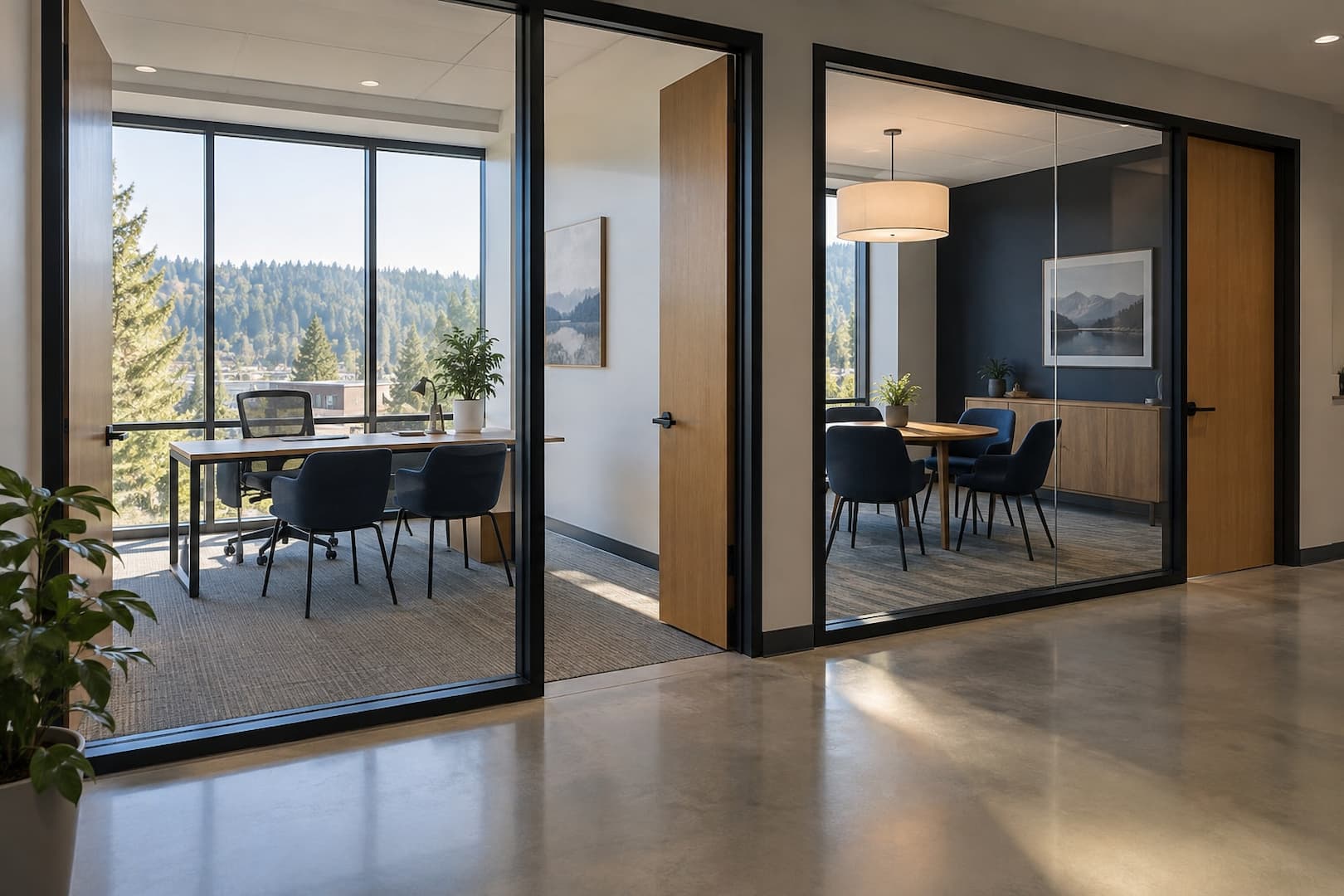
Commercial interior with separate office rooms and a shared corridor

Tell us which areas can be entered during working hours and who can approve a shutdown. Ceiling access, roof access and tenant notices can affect when particular checks are possible.

If the VRF system is connected to a building management system, identify the platform and the person who manages it. Local controllers and the building system may each influence schedules or setpoints. Before agreeing the scope, we clarify which controls need attention and whether the controls provider needs to be involved.

For new equipment or a building under construction, see new construction HVAC. For smaller ductless systems, the ductless services page can help you choose the appropriate starting point.

What to have ready when we discuss your system

  • Building address and the contact who can arrange access.
  • Manufacturer and model, or a clear photo of the equipment label.
  • The exact controller message or error code.
  • Which rooms or units are affected and when the problem started.
  • Recent service, power interruptions or changes to the controls.
  • Any limits on access or times when equipment can be stopped.

Do not open equipment panels to collect these details. Use labels and displays that can be viewed safely, and leave anything inaccessible for the service visit.

Request a VRF Service Callback

Common questions

A few things you may be wondering

Do you service every VRF brand and model?

Please share the manufacturer and model first. VRF systems use different controls and service requirements, so we confirm the equipment and requested work before arranging service. A brand name alone may not identify the system configuration.

Why is one zone heating while another cannot cool?

It may be a mode or control limitation rather than a failed indoor unit. Heat-pump and heat-recovery configurations have different capabilities. The installed arrangement and control priorities need review before deciding that something has failed.

How often should a VRF system be maintained?

The interval depends on manufacturer guidance, the building's operating hours and the conditions around the equipment. Filter and drain attention may be needed at different intervals from other service work. We discuss a schedule for the actual installation.

Can a service visit be arranged around tenants or business hours?

Tell us the access restrictions and any times when the equipment cannot be interrupted. We can discuss the work and scheduling options. Some checks or repairs may still need a planned interruption agreed with the building contact.

What affects the cost of VRF service?

The system layout, fault, number of affected units and access all matter. Diagnostics can take longer when equipment is concealed or an intermittent fault needs investigation. Any proposed repair also depends on the parts and work required.

MASTER Heating & Cooling

Request a callback about your VRF system

Leave your contact details to discuss your system and the affected zones. You can also call MASTER Heating & Cooling at (509) 300-1111.

(509) 300-1111Office: Monday–Friday, 8 a.m.–5 p.m.
Get Quote

Your contact details are used to respond to your request. Privacy policy.